
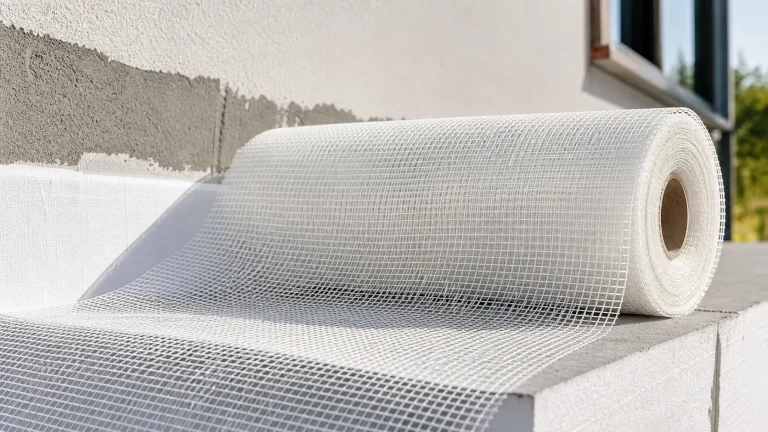
Fiberglass mesh is a non-metal grid used in wall finishing, exterior insulation systems, cementitious reinforcement, and crack-control applications. Its performance depends on fibre type, coating, mesh weight, opening, tensile properties, alkali resistance, overlap, embedment, and compatibility with the complete wall system.
Do not specify by colour alone
White, orange, or other colours do not establish mesh quality or suitability. State the intended system, mesh opening, mass or weight basis, coating and alkali-resistance requirement where applicable, roll dimensions, and any required test or documentation basis. The finish material, substrate, adhesive or base coat, overlap, and corner details are part of the installed result.
Selection and receiving
Use the manufacturer’s system guidance and project requirements for placement and embedment; a mesh roll cannot compensate for incompatible base material or poor installation. A clear RFQ should identify the use case and product evidence needed.
At delivery, verify roll identity, dimensions, coating condition, packaging, moisture exposure, and lot documentation where required. Apply the receiving inspection checklist before release. Compare this non-metal reinforcement product with metal lath only at the system level; their construction and use are different. Read our editorial approach or use the contact page for future guides.
Mesh is reinforcement within a compatible system
Fiberglass mesh helps distribute local stresses in suitable cementitious or polymer-modified wall systems, but it is not a universal repair material. The coating, substrate, insulation board where present, base coat, embedment depth, overlap, corner reinforcement, and final finish must be compatible. A roll that looks similar can differ in fibre construction, coating chemistry, mass, tensile behaviour, and alkali resistance.
Specify the intended system before selecting the mesh. The project may require a standard field mesh, a heavier impact-zone mesh, corner reinforcement, or a specialised detail. Installation instructions from the approved system and the project specification take priority over generic roll descriptions.
Installation and quality controls
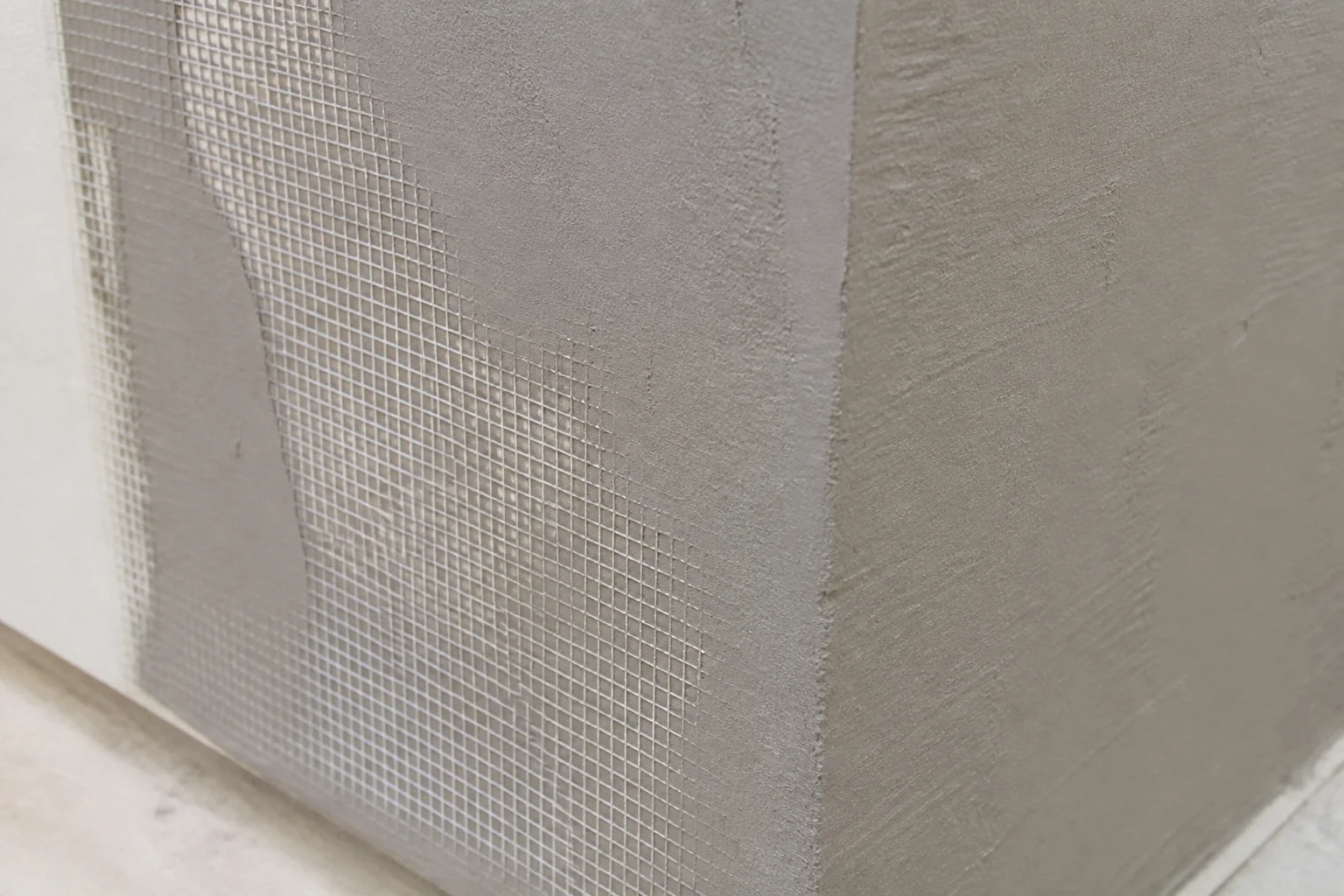
Embed mesh into the wet base coat rather than leaving it exposed at the surface. Maintain required overlaps, avoid wrinkles and voids, and reinforce openings and corners as required. Mesh should lie in the specified portion of the base layer; too shallow or too deep a position can undermine the intended reinforcement function.
At receiving, check roll identity, dimensions, packaging, moisture exposure, coating condition, and lot documentation where the project requires it. Preserve the installation record so a later question can be traced to a product lot and wall area.
Procurement checklist
Request mesh opening, mass basis, coating or alkali-resistance requirement, roll dimensions, intended system, and required test evidence. Use the RFQ guide for comparable responses and the metal lath guide to understand why metal and glass-fibre reinforcement are not direct substitutes.