
Crimped wire mesh is made from wires that are formed into a repeating crimp before they are interlocked. The crimp helps locate each wire at an intersection and can create a stable opening for screening and sizing work. It is different from fine woven cloth, because the wire geometry and intended duty are usually heavier and more structural.
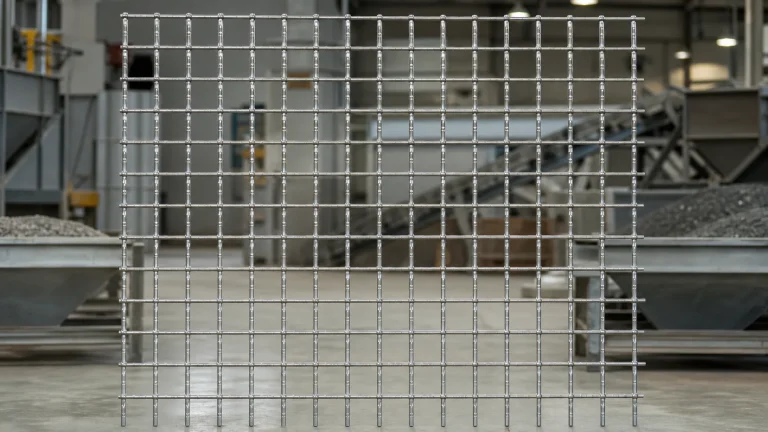
Construction controls opening stability
Common descriptions include lock crimp, intermediate crimp, flat-top crimp, and related screening constructions. The appropriate construction depends on opening size, wire diameter, material, screen tension, vibration, abrasion, and the material being handled. A product name alone cannot establish a suitable screen.
The wire mesh classification guide distinguishes crimped screening mesh from welded mesh and fine woven cloth because manufacturing structure changes the product’s behavior.
Specify the screen as a working component
State material, wire diameter, nominal opening, crimp type, panel or roll dimensions, edge treatment, hook or tension detail where relevant, and required finish. For abrasive screening, the wear environment and operating conditions matter as much as nominal opening. Do not assume that two screens with the same opening will have the same life or throughput.
Use a controlled wire mesh RFQ to request the details that allow supplier responses to be compared. At receiving, confirm the pattern, opening, wire size, edge condition, packing, and damage using the receiving inspection checklist.
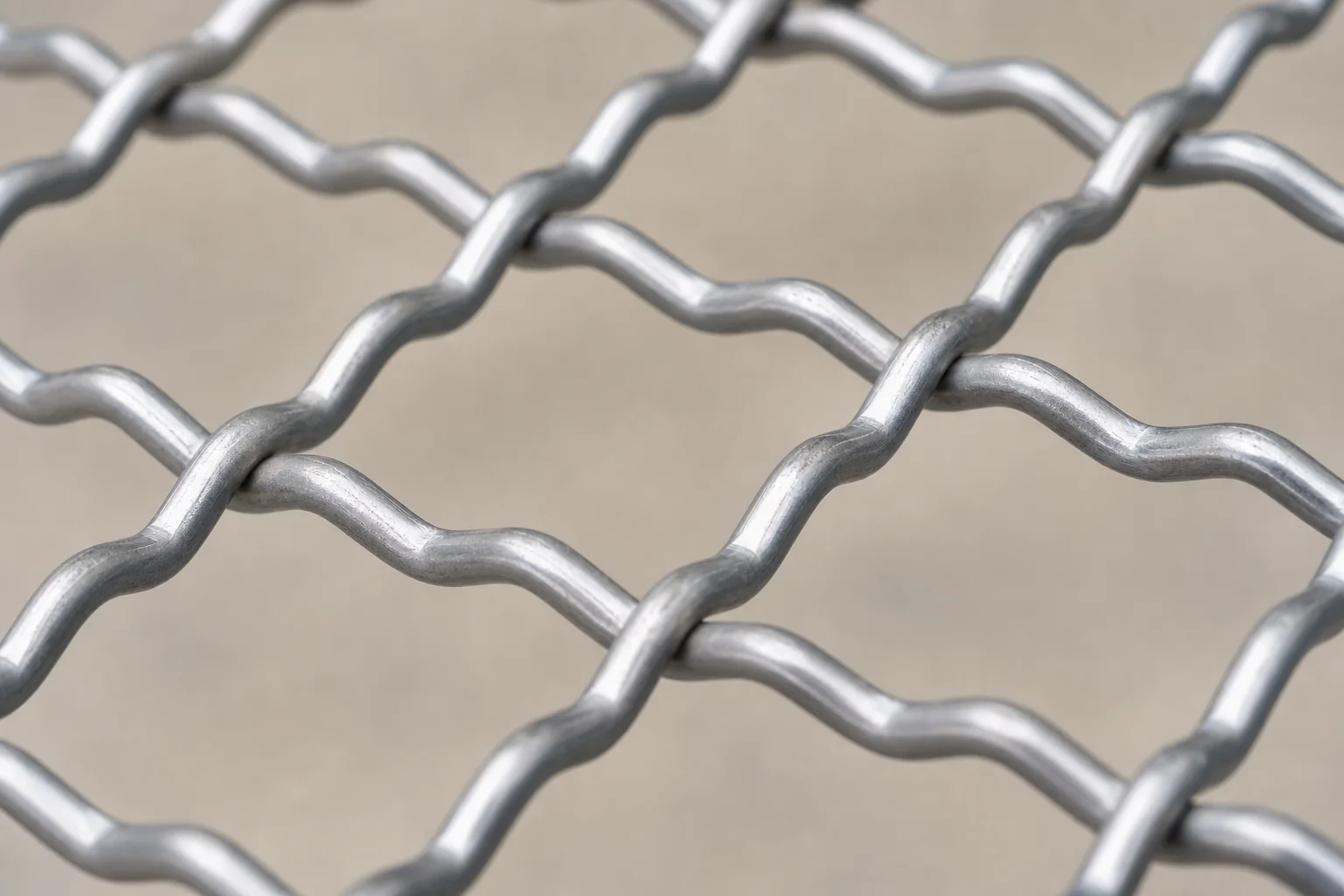
Selection and inspection
Screening requirements should start with the material, desired separation, moisture, shape, feed rate, support arrangement, and vibration conditions. Opening measurement, panel tension, broken wires, worn crimp locations, and retained material should be recorded against the application requirement. For a basic comparison with interlaced fine mesh, see woven wire mesh weave types. Use the contact page to request a dedicated self-cleaning or mining screen guide.